What Services Should You Expect From a TRT Clinic in La Jolla
@franciscotpsp521
October 21, 2026 · 15 min read


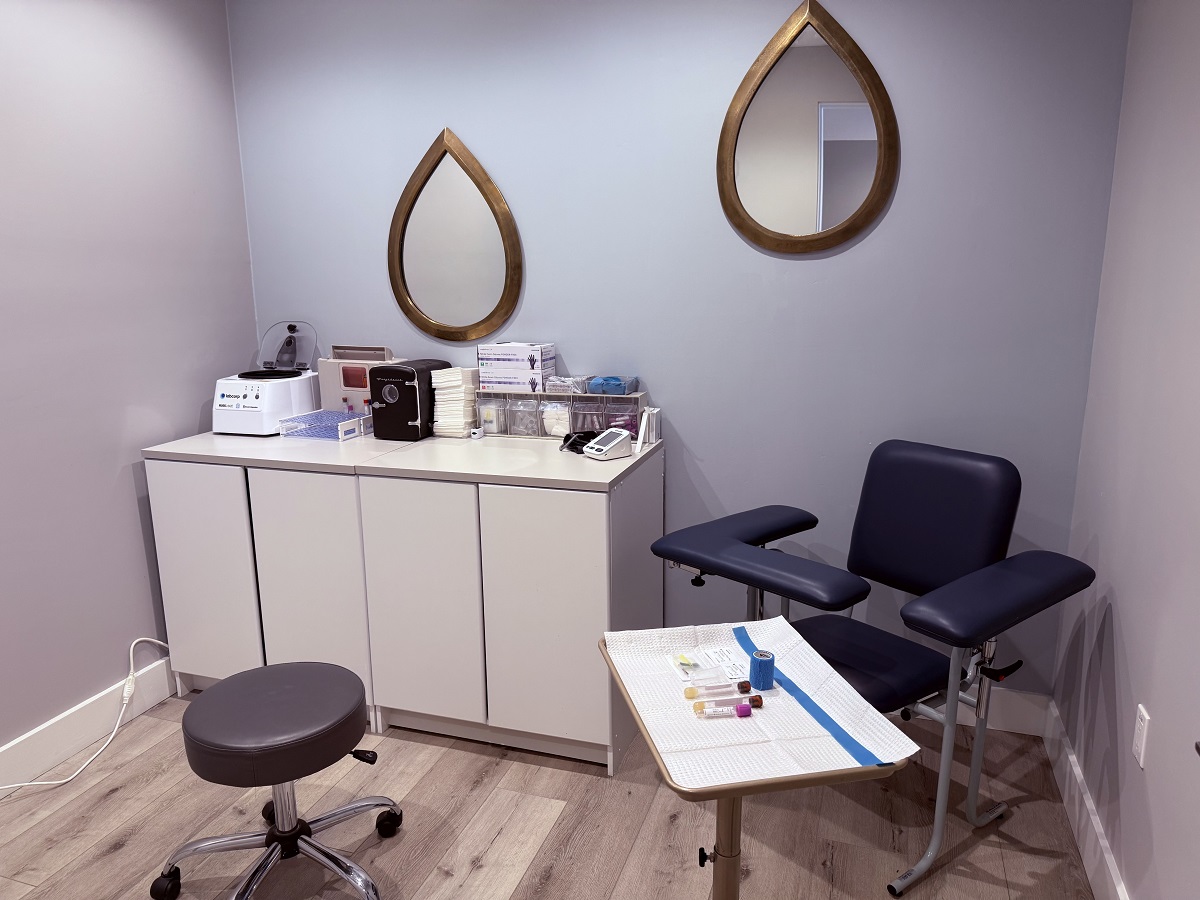
Testosterone replacement therapy is one of those areas of medicine where the gap between good care and careless care can be wide. On paper, the treatment can look simple. A man has symptoms, his testosterone tests low, he starts therapy, and he feels better. In real practice, that is rarely the whole story. Hormones affect energy, mood, body composition, libido, sleep, fertility, blood counts, and cardiovascular risk factors. When a clinic treats TRT as a quick retail service, patients usually pay for that shortcut later.
If you are looking at a trt clinic La Jolla residents might consider, the standard should be higher than a basic prescription visit. La Jolla attracts patients who are informed, health conscious, and often balancing demanding schedules. They should expect a clinic to combine medical judgment, careful monitoring, and practical support, not just sell vials and syringes.
The right clinic does more than confirm a number on a lab report. It builds a complete picture of why symptoms are happening, whether TRT is appropriate, and how treatment should be adjusted over time. That is where the real value lies.
It should start with a serious medical evaluation
A legitimate TRT clinic begins with a comprehensive assessment, not a sales pitch. Low testosterone symptoms overlap with several common conditions, including poor sleep, obstructive sleep apnea, thyroid dysfunction, depression, overtraining, alcohol use, insulin resistance, and the effects of certain medications. Men often come in describing fatigue, lower sex drive, brain fog, loss of drive in the gym, irritability, or slower recovery. Those symptoms matter, but symptoms alone should not drive treatment.
A good clinician will ask when symptoms began, how severe they are, and whether they line up with measurable changes in sexual function, sleep, physical performance, weight, concentration, and mood. They should also ask about family history, especially prostate issues, cardiovascular disease, blood clots, diabetes, and fertility plans. That last point is often overlooked. Some men in their thirties or early forties are surprised to learn that TRT can suppress sperm production. If fatherhood is still on the table, that conversation needs to happen before treatment starts, not six months later.
Expect the clinic to review medications and supplements in detail. Opioids, antidepressants, steroids, weight loss drugs, and even heavy use of certain over the counter supplements can trt clinic La Jolla affect hormones or symptoms. In experienced hands, this review often reveals why a patient feels off, even before the lab work comes back.
A physical exam also matters. It may not need to be elaborate at every visit, but there is no substitute for direct clinical observation. Body composition, blood pressure, testicular size, signs of gynecomastia, fluid retention, and other findings can change the treatment plan in a meaningful way.
Blood work should be broad enough to answer real questions
One of the clearest signs of quality is the scope of the initial lab evaluation. If a clinic is willing to prescribe testosterone after a single total testosterone value drawn at an unknown hour, that is a red flag. Testosterone levels fluctuate. They are usually highest in the morning, and they can drop with poor sleep, acute stress, illness, calorie restriction, and heavy training.
A careful clinic generally confirms low levels with repeat testing and uses a panel broad enough to distinguish primary from secondary causes. In everyday terms, that means figuring out whether the issue starts in the testes, in the signaling from the brain, or from another system entirely. Many clinicians will assess total testosterone, free testosterone or an appropriate estimate, sex hormone binding globulin, estradiol, luteinizing hormone, follicle stimulating hormone, complete blood count, comprehensive metabolic markers, and prostate related markers when age and history make that appropriate. Thyroid function, lipids, hemoglobin A1c, and prolactin may also be relevant depending on the case.
This part matters because treatment decisions change when the pattern changes. A 52 year old man with classic symptoms, repeatedly low morning testosterone, central weight gain, and normal pituitary markers may be a straightforward TRT candidate. A 34 year old with very low testosterone and elevated prolactin needs a different workup. A clinic that cannot tell the difference is not offering competent hormone care.
In La Jolla, where many patients are active professionals, golfers, cyclists, surfers, and strength training enthusiasts, another nuance comes up often. Intense training blocks, chronic under eating, and poor recovery can mimic low testosterone states. A sharp clinic knows when hormones are the problem and when lifestyle load is the driver.
You should expect a discussion of whether TRT is even the right move
Not every man with symptoms and a borderline number needs testosterone replacement. That may sound strange coming from a TRT focused article, but it is the truth. The best clinics do not push everyone into the same pathway.
Sometimes the right answer is to address sleep apnea, reduce alcohol intake, treat metabolic disease, review psychiatric medications, or improve recovery and nutrition. Sometimes a patient wants symptom relief but also wants to preserve fertility, in which case alternatives or adjuncts may be considered. Sometimes the answer is watchful waiting with repeat labs after correcting obvious stressors.
A clinic worth trusting will explain the trade-offs plainly. TRT can improve libido, energy, lean mass retention, exercise tolerance, mood, and recovery in properly selected patients. It can also raise hematocrit, worsen acne, suppress fertility, and require ongoing monitoring. Water retention and breast tenderness can occur. Sleep apnea may need closer surveillance. Men with certain health histories need a more conservative approach.
That conversation should feel like shared decision making, not a one way pitch. If the clinician never mentions downsides, the conversation is incomplete.
The clinic should offer a personalized treatment plan, not a one size fits all protocol
One of the common disappointments in hormone medicine is the cookie cutter plan. Every patient gets the same weekly dose, the same add on medications, and the same refill schedule, whether they are a 39 year old trying to maintain fertility or a 63 year old with metabolic syndrome and high hematocrit risk. Real medicine is more tailored than that.
Testosterone can be administered in several ways, and each has advantages and drawbacks. Injections are common because they are effective and relatively affordable, but dosing frequency can affect how stable a patient feels. Some men do well with weekly injections. Others feel better with smaller, more frequent dosing. Topical preparations can work well for some patients but require careful handling and come with transfer concerns. Pellets appeal to men who want fewer appointments, but they are less flexible when dose adjustments are needed. Oral options exist in some settings, though they are not always the first fit.
A capable clinic explains why one route may suit your schedule, symptom pattern, budget, and comfort level better than another. A patient who travels every week for work may need a different plan than a local resident comfortable with self injections. A man prone to peaks and crashes may need a different dosing rhythm than someone who prefers simplicity over fine tuning.
Good personalization also means resisting unnecessary add ons. Some clinics automatically prescribe aromatase inhibitors or other medications from day one. That is not always justified. Estradiol management, for example, is more nuanced than many online forums suggest. Estradiol is not merely a side effect to suppress. It plays a role in bone health, libido, and overall well being. Treating a lab number without treating the patient can create new problems.
Education should be part of the service, not an afterthought
A proper TRT clinic teaches patients how therapy works in the real world. This includes practical instruction on administration, storage, scheduling, expected timelines, and what side effects warrant a call.
Patients should understand that TRT is not a stimulant and not a cure for every complaint. Some changes, such as libido and energy, may improve within weeks. Changes in body composition and strength usually take longer and depend heavily on training, sleep, protein intake, and metabolic health. Men who expect dramatic transformation in ten days are often disappointed, not because treatment failed, but because they were never counseled properly.
Administration training is especially important with injections. I have seen men receive a prescription with almost no guidance, then learn technique from random videos online. That is not good enough. A clinic should show patients how to draw up the medication, choose the right needle, rotate sites, minimize irritation, and dispose of sharps safely. It sounds basic, but this is where confidence and adherence are built.
There is also value in setting expectations about follow up. A well run clinic explains when repeat labs will happen, what symptoms should trigger earlier contact, and how dose adjustments are decided. Patients do better when they know the rhythm of care in advance.
Ongoing monitoring is not optional
The most important service after the initial evaluation is structured follow up. TRT is not the kind of treatment you start and then ignore for a year. Hormone response varies. Blood counts can rise. Blood pressure may change. Estradiol related symptoms may emerge. Sleep and mood can shift in either direction. The right dose at month one may not be the right dose at month six.
A responsible clinic usually schedules follow up labs and visits at appropriate intervals, especially during the first several months. The exact timeline varies by patient and protocol, but the principle stays the same. Monitor early, adjust thoughtfully, and keep watching for both benefits and complications.
This is where clinics distinguish themselves. Some simply ask whether you feel better and renew the prescription. Others actually interpret the full picture. If hematocrit rises, the answer is not always to panic, nor is it to ignore it. The clinician should evaluate hydration, altitude exposure, sleep apnea risk, dose intensity, and timing of blood draw, then decide on the next step. If libido improves but mood worsens, that deserves more than a casual shrug. If strength is up but sleep is fragmenting, the regimen may need adjustment.
A patient should feel that someone is paying attention to the whole pattern, not just one hormone number.
Fertility counseling should be available when relevant
This issue deserves its own section because it is one of the most frequent and costly surprises in TRT care. Men often seek therapy at the exact life stage when family planning is still unfinished. A clinic that never raises fertility before starting testosterone is missing a major part of informed consent.
TRT can reduce sperm production, sometimes substantially. For some men, fertility may recover after stopping treatment, but timelines vary, and there are no guarantees. If future conception matters, the clinic should discuss options before treatment starts. That may include preserving fertility through a different strategy, using supportive medications in selected cases, or coordinating care with a fertility specialist or urologist.
Even if a patient says he is not trying for children now, that is not the same as saying the issue does not matter. Circumstances change. Good clinics ask anyway.
Sexual health and performance support should be handled with maturity
Many men first seek out a trt clinic La Jolla providers offer because of changes in sexual function. Lower libido, weaker erections, less satisfying performance, and reduced confidence are powerful motivators. The trap is assuming that testosterone is always the cause.
A strong clinic treats sexual health as a legitimate medical concern, not an awkward sidebar. That means taking a detailed history, asking about morning erections, relationship stress, anxiety, medication effects, sleep quality, and vascular risk factors. Erectile dysfunction can be hormonal, but it can also reflect blood flow issues, metabolic disease, or psychological strain. Sometimes all three are present at once.
The best care here is balanced. If TRT is part of the answer, great. If it is only one part, the clinic should say so. Some patients need broader workup or collaborative care. Others need a candid talk about expectations. Testosterone may help desire and energy, but it does not automatically fix every aspect of sexual performance. Honest counseling prevents a lot of frustration.
Lifestyle coaching should support treatment, not replace medicine or ignore it
A clinic does not need to become a full concierge wellness center to offer valuable lifestyle guidance. In fact, some of the most useful advice is fairly direct. Sleep enough to recover. Eat enough protein to maintain lean mass. Address alcohol use if it is dragging down hormones and sleep. Train hard enough to stimulate progress, but not so hard that recovery collapses. Manage stress before it becomes your baseline.
Those points may sound obvious, but in practice they are where treatment succeeds or stalls. Men who start TRT and continue sleeping five hours a night while over consuming alcohol on weekends often report mixed results. Men who combine appropriate therapy with better recovery and structured training usually feel the difference more clearly.
The clinic should not present lifestyle change as a moral lecture. It should use it as a force multiplier. Even brief, specific advice goes a long way. Telling a patient to aim for consistent sleep and stop scrolling at midnight is more useful than vague talk about “optimizing wellness.” If the clinic has access to nutrition counseling, sleep screening, or referral pathways, that can be a meaningful bonus.
Coordination with other medical needs is a sign of maturity
TRT does not exist in a vacuum. A good clinic knows when a case should stay in house and when another specialist should be involved. If a patient has concerning prostate symptoms, severe untreated sleep apnea, fertility challenges, unexplained pituitary findings, unstable cardiovascular disease, or complicated metabolic issues, coordinated care becomes important.
This does not mean every patient needs a team of specialists. It means the clinic should know its limits and act accordingly. One of the best signs of professionalism is a clinician who says, “We can help with this part, and we want another set of eyes on that part.” Medicine is safer when ego stays out of it.
For patients in La Jolla, where many have established relationships with primary care physicians, cardiologists, or sports medicine doctors, coordination should be straightforward. A reputable TRT clinic will communicate appropriately, document clearly, and avoid acting like it is the only source of truth in the patient’s health care.
Access, responsiveness, and transparency matter more than people think
The medical side gets most of the attention, but the practical side affects outcomes too. Hormone therapy works best when follow up is consistent and patients can get timely answers. If a clinic is impossible to reach, routinely delays refills, or provides no guidance between visits, patients end up guessing. Guessing is how doses get changed without supervision and side effects go unreported.
Expect clear communication about costs, follow up frequency, and what services are included. The clinic should explain whether labs are bundled or billed separately, whether telehealth follow ups are available when appropriate, and how refill requests are handled. Hidden fees and vague pricing often signal a business model built around upselling rather than continuity.
Responsiveness matters as well. If a patient develops new headaches, unusual swelling, worsening acne, significant mood changes, or questions about injection technique, he should be able to reach someone who can help. That is not luxury service. That is basic clinical support.
What a high quality visit often feels like
Patients usually know the difference quickly. In a high quality clinic, the conversation is detailed without feeling rushed. The clinician asks follow up questions. Lab results are explained in context rather than simply labeled normal or low. Risks are acknowledged. Goals are specific. The plan makes sense for the individual sitting in the room.
In a weaker setting, the pattern is almost the opposite. Symptoms are barely explored. Fertility is never mentioned. Every patient gets the same protocol. Add on medications are offered before they are needed. Follow up sounds casual. It can feel smooth in the moment, but it is not careful medicine.
That distinction becomes obvious six months down the line. Men who receive thoughtful care tend to understand their treatment, stick with the plan, and know what changes to report. Men who receive transactional care are often left chasing symptoms, second guessing doses, and trying to interpret labs on their own.
The clinic should make room for judgment, not just algorithms
There is no single perfect testosterone number, no universal symptom score, and no automated protocol that fits every case. A good TRT clinic combines evidence, experience, and judgment. That means recognizing edge cases, paying attention to trends, and respecting the patient’s lived experience without letting anecdotes override safety.
Some men feel markedly better with modest biochemical improvement. Others have excellent looking lab values and still need a broader medical evaluation because the root issue lies elsewhere. Some tolerate injections well and appreciate the control. Others want the convenience of a less frequent option and accept the trade-off in flexibility. Those decisions are personal, and the clinic’s job is to guide them intelligently.
That is ultimately what you should expect from a TRT clinic in La Jolla. Not hype. Not a one visit prescription mill. Not vague promises about feeling twenty years younger. You should expect careful diagnosis, thoughtful treatment selection, real monitoring, honest education, and a clinician who can see the difference between low testosterone and everything that can look like it. When those services are in place, TRT has the best chance to do what it is supposed to do, improve quality of life safely and sustainably.
SDBody La Jolla
7710 Fay Ave, La Jolla, CA 92037
+1 858-401-2383
FAQ About trt clinic La Jolla
How much should my TRT cost?
TRT costs depend on the clinical evaluation, medication, laboratory testing, and follow-up plan. Ask for an itemized estimate that includes the initial visit and ongoing monitoring. SDBody La Jolla can explain its current fees after discussing the services being considered.
Will Insurance Pay for TRT in La Jolla?
Coverage depends on your plan, diagnosis, prescribed treatment, and provider network. Ask your insurer about medical necessity requirements, prior authorization, laboratory coverage, and out-of-pocket costs. Confirm SDBody La Jolla's billing arrangements directly; insurance payment is not guaranteed.
Is TRT safer than steroids?
Testosterone is itself an anabolic steroid. Clinician-prescribed replacement for confirmed testosterone deficiency differs from nonmedical steroid use, but it still carries risks and requires monitoring. Possible concerns include increased red blood cell levels and reduced sperm production. Discuss your medical history and fertility goals with a qualified clinician before considering treatment.